Discover how Visus uses AI to transform business requirements into clear, development-ready specifications. Learn how AI-assisted requirements analysis helps identify gaps, improve collaboration, reduce avoidable rework, and support more efficient software delivery while keeping human expertise at the center of the process.
Successful software development starts with a clear understanding of business requirements. When requirements are incomplete, inconsistent, or difficult to interpret, development teams can face delays, repeated revisions, and misaligned expectations. Visus uses AI to help bridge the gap between business needs and technical execution, giving teams a clearer path from initial requirements to development-ready specifications.
Turning Business Requirements Into Clear Specifications
Business stakeholders often describe what they need in terms of goals, challenges, and expected outcomes. Development teams must translate that information into detailed specifications that define how a solution should work.
This process can require extensive discussions, documentation reviews, and clarification before development begins. Missing details or conflicting requirements can create uncertainty, increasing the risk of rework and delivery delays.
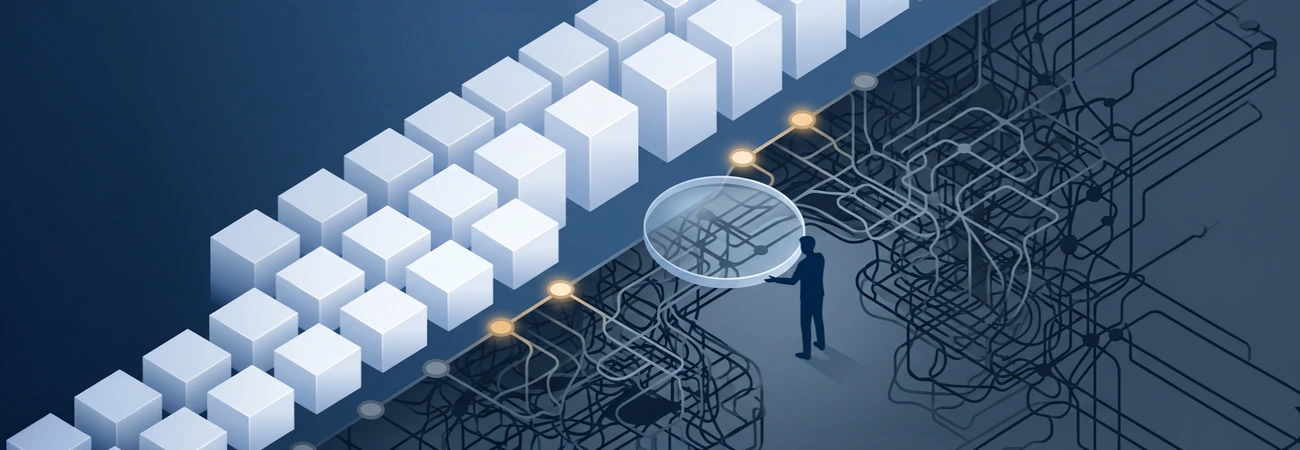
Visus applies AI to help organize and interpret business requirements, identify gaps, and structure information into specifications that development teams can use. By making requirements easier to understand and validate, AI helps teams establish a stronger foundation for software delivery.
Using AI to Improve Requirements Analysis
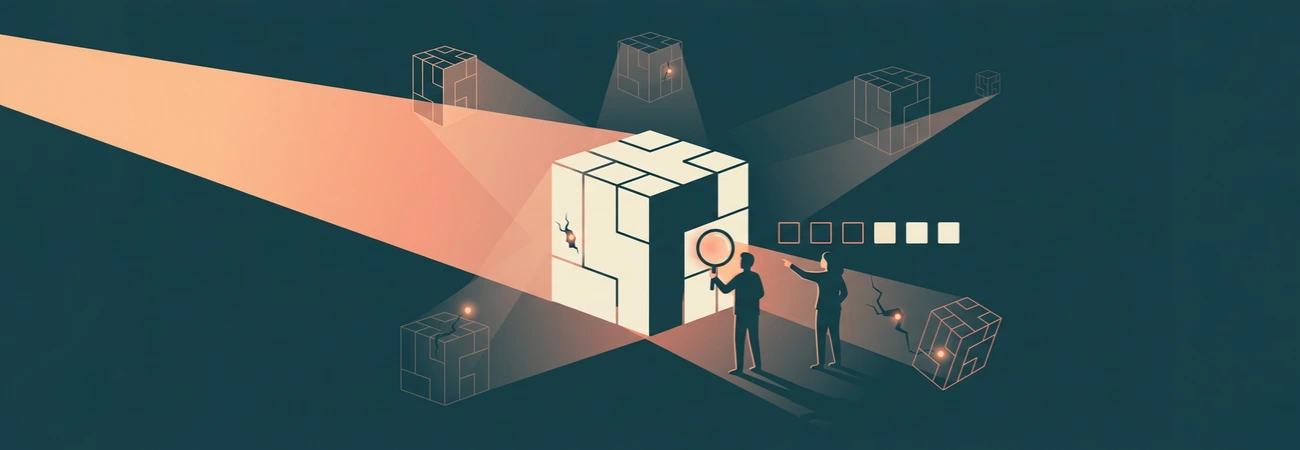
AI can help teams analyze large volumes of requirements and supporting documentation more efficiently. It can identify related requirements, highlight inconsistencies, and surface questions that need clarification before development begins.
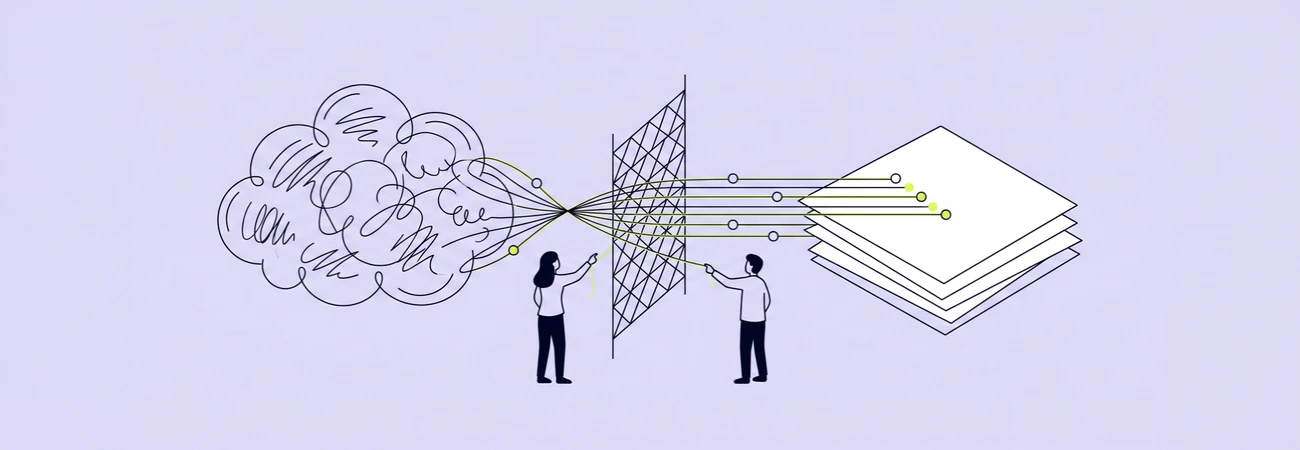
Visus uses AI-driven approaches to support this process, helping teams move from unstructured business information toward organized, actionable specifications. Rather than replacing the expertise of business analysts and developers, AI assists them with analysis and documentation so they can focus on decisions that require business context and technical judgment.
This approach helps teams identify potential issues earlier, when they are easier to address and less likely to affect downstream development work.
Creating Development-Ready Specifications
Clear specifications give developers a shared understanding of the expected functionality, business rules, and acceptance criteria. They also help project stakeholders evaluate whether the proposed solution addresses the original business need.
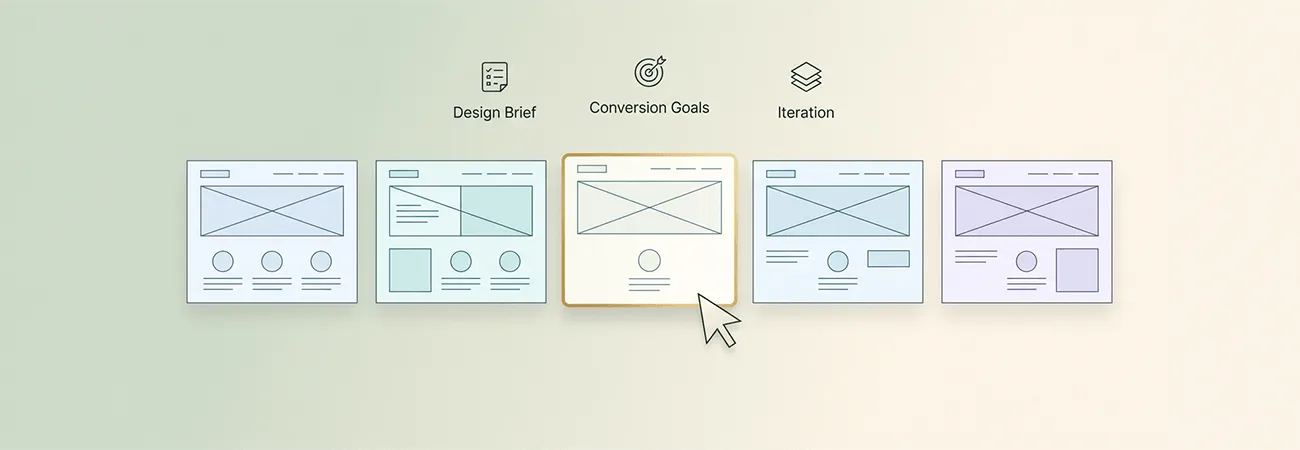
AI can support the creation of structured documentation by organizing requirements, generating initial specification drafts, and identifying areas where additional detail may be necessary. Teams can then review, validate, and refine the output to ensure it reflects the intended business outcomes.
With a more consistent approach to documentation, development teams can spend less time interpreting ambiguous requirements and more time building and testing solutions.
Improving Collaboration Across the Development Lifecycle
Requirements management involves multiple stakeholders, including business leaders, analysts, developers, testers, and project managers. Each group brings a different perspective, making clear communication essential throughout the development lifecycle.
AI-assisted specifications can provide a common reference point for these teams. Business stakeholders can validate whether the documented requirements reflect their needs, while technical teams can use the specifications to guide implementation and testing.
This shared understanding helps reduce communication gaps, supports more effective planning, and makes it easier to track requirements from initial discovery through delivery.
Delivering Software With Greater Clarity and Confidence
AI does not eliminate the need for thoughtful requirements analysis or human review. Its value comes from helping teams process information more efficiently, identify potential gaps, and produce consistent documentation that supports informed decisions.
Visus combines AI capabilities with business and technical expertise to help organizations improve the transition from requirements gathering to software development. By strengthening this critical stage, organizations can establish clearer expectations, reduce avoidable rework, and create a more structured path toward delivering software that meets business objectives.
As organizations look for ways to improve software delivery, AI-assisted requirements engineering offers an opportunity to make development processes more efficient without losing sight of the business needs that drive them.