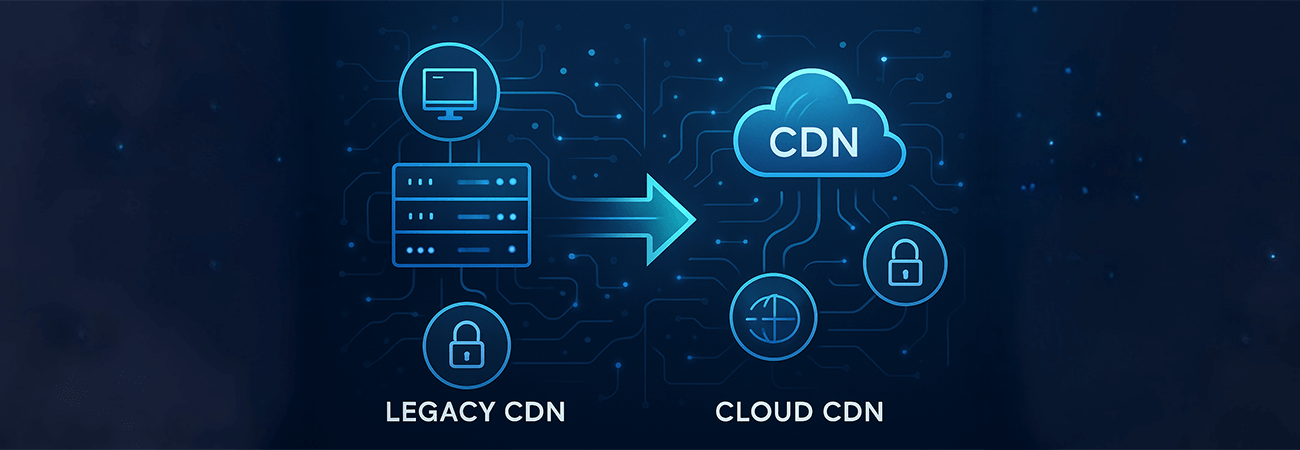
Microsoft's recent deprecation of the Edgio CDN (formerly Verizon) has introduced major implications for organizations relying on Azure's content delivery infrastructure. While the transition may have flown under the radar for some, the automatic migration of legacy CDN endpoints to Azure Front Door requires immediate attention—especially for businesses that prioritize stability, performance, and long-term support.
In many instances, Microsoft's auto-migration to Front Door allowed content to continue serving under the original azureedge.net URLs. However, continuing to use those default URLs poses strategic and operational risks. Microsoft strongly advises configuring a custom domain for CDN endpoints, ensuring both brand alignment and more reliable service continuity.
Beyond URL changes, one critical policy shift stands out: Front Door will soon enforce a requirement that all content served through it must originate from the same Azure subscription. While this rule has not yet been activated, future enforcement will block access to content hosted across separate subscriptions—unless adjustments are made in advance.
For organizations managing distributed infrastructure or legacy configurations, this change can disrupt existing deployments if left unaddressed. Migrating resources to a single Azure subscription or restructuring deployment practices to align with Front Door's expectations, is no longer optional—it's essential for uninterrupted service.
The takeaway is clear: cloud infrastructure is evolving rapidly, and so are the rules governing it. Staying ahead of these changes—especially those introduced by platform providers—is crucial to avoiding service disruptions and performance degradation. Proactive configuration, custom domain setup, and subscription alignment are now required steps to ensure the continued reliability of content delivery through Azure.
If your team is still operating under legacy CDN settings, now is the time to assess and take action.