The Challenge
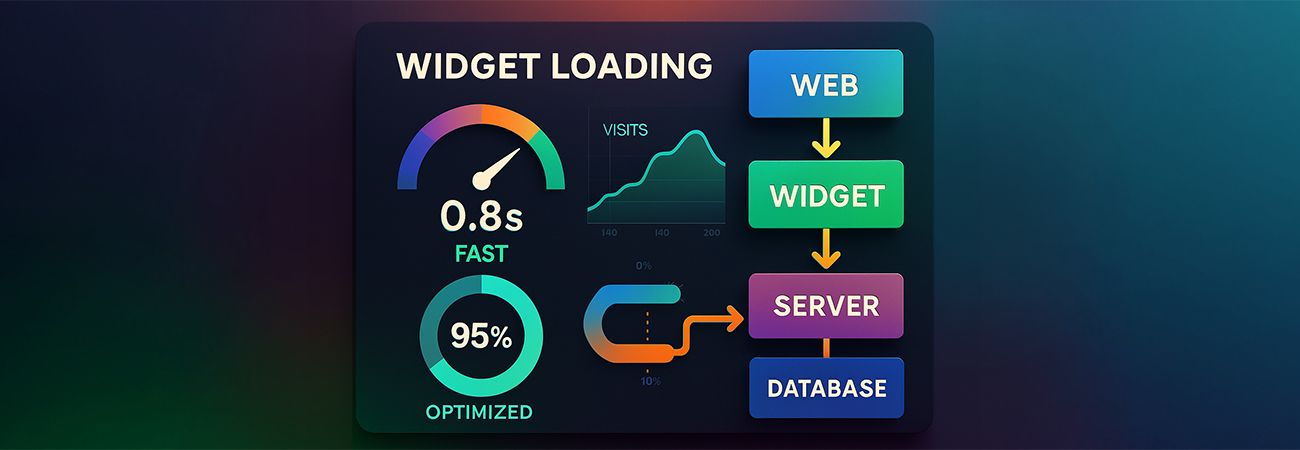
A client's custom front-end widget faced a significant performance bottleneck that was impacting user experience. The widget displays upcoming casino events like concerts and boxing matches, but loading times were unacceptably slow due to an inefficient data retrieval approach. The original implementation would load every single event from the database first, regardless of whether those events were relevant to what users actually wanted to see. This meant the system was processing hundreds of events, including many that had already passed, before even beginning to filter for entertainment-specific content. The problem was compounded by the complex data structure in Sitefinity, where categories serve as parent entities to events, and event dates exist as separate child entities beneath events. This three-tier hierarchy required multiple database queries and processing steps for every widget load, creating a cascade of performance issues.
Understanding the Data Structure Complexity
The root of the performance problem lay in how the data was organized within the Sitefinity content management system. Events are stored in a hierarchical structure where categories are at the top level, individual events are in the middle, and event dates are at the bottom level. To display entertainment events, the system had to navigate this hierarchy by first filtering events by their parent category, then drilling down to access child's date records to determine if each event was current or had already passed. This approach meant that even basic filtering operations required multiple database calls and complex joins. Additionally, Sitefinity's data access constraints limited our optimization options, as we were required to work within the platform's specific manager classes and APIs rather than being able to implement direct database optimizations.
The Solution: Reversing the Query Logic
After extensive analysis, we completely reversed the data retrieval approach to eliminate the performance bottleneck. Instead of starting with all events and filtering down, we now begin by querying the date records first, filtering immediately for only those dates that haven't already passed. This fundamental change means we're working with a much smaller data set from the very beginning. From these filtered dates, we use parent references to retrieve only the specific event data we need and then use the parent category IDs to apply the entertainment category filter. This approach eliminates the need to process irrelevant data and reduces the number of database queries significantly. We also streamlined the code to populate only the data fields required to drive the front-end widget, removing any unnecessary data retrieval that was adding to the processing overhead.
Results and Broader Impact
The optimization work required 90 hours over six weeks due to the intricate nature of the changes and the need to ensure compatibility across the entire system. The entertainment widget wasn't an isolated component – it was part of a larger ecosystem that includes administrative tools for managing events and other related features. Our improvements to the core data access patterns needed to be implemented carefully to avoid breaking other system components that rely on the same underlying architecture. While the primary work on the entertainment widget is complete, we're now applying these same optimization techniques to other areas of the system, particularly the backend administrative interfaces used by casino staff to manage events. The result is not just a faster entertainment widget, but a more efficient approach to data handling that will benefit the entire event management system.