As organizations rapidly adopt AI, security often struggles to keep pace. Many teams focus on deploying AI tools and proving their value, assuming security controls can be added later. However, AI environments frequently handle sensitive data and expose endpoints that can become targets for unauthorized access if they are not properly protected.
One of the most common challenges organizations face is the lack of clear security boundaries around AI resources. As AI infrastructure expands, sensitive business information, financial data, and other critical assets may become accessible to systems that are not adequately isolated from the rest of the network or the public internet.
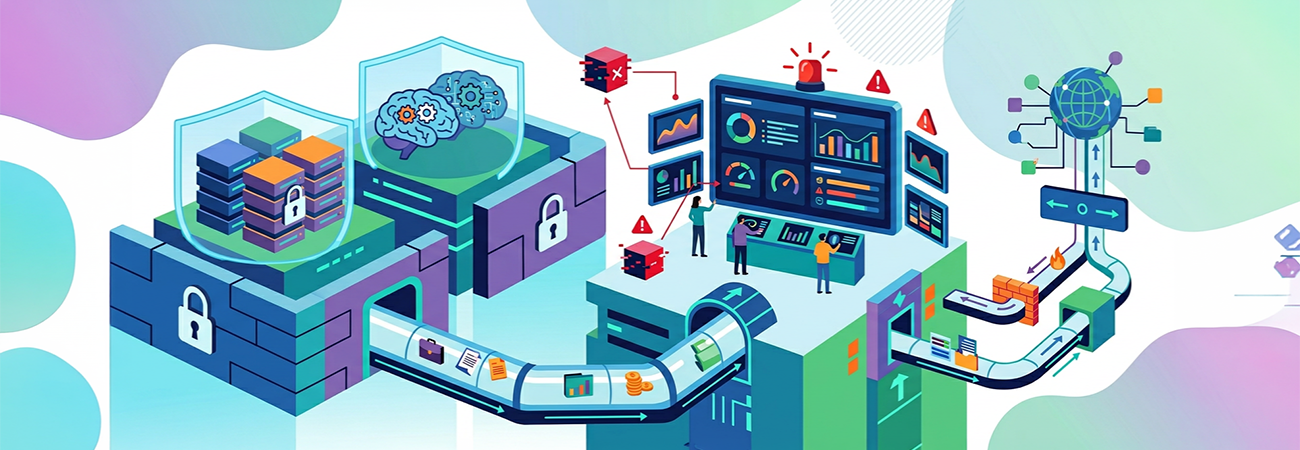
Visus helps organizations build secure AI environments in Azure by designing and deploying a layered security architecture. This approach includes Virtual Network (VNet) segmentation, Private Endpoints, firewalls and secure tunneling, Microsoft Defender, Azure Monitor, and Microsoft Sentinel. Together, these technologies help restrict access, detect threats, and provide continuous visibility into AI operations.
The result is a fully segmented, monitored, and policy-governed AI infrastructure that minimizes risk while supporting innovation. Organizations gain stronger protection for their AI resources, eliminate public-facing exposure to AI model endpoints, and benefit from centralized monitoring and actionable security alerts.
The key takeaway is that AI security should not be treated as a future project. AI infrastructure introduces unique risks from day one, making it essential to build security into the environment from the start. Organizations that align AI adoption with AI security are better positioned to scale confidently, protect sensitive data, and maximize the value of their AI investments.